








Description
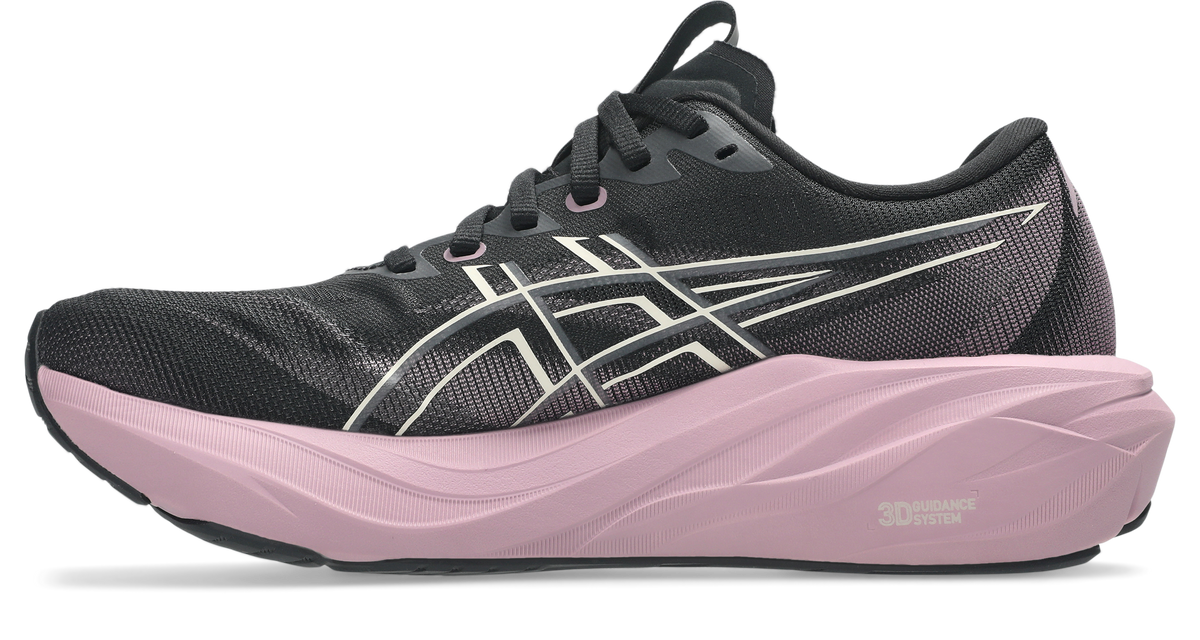
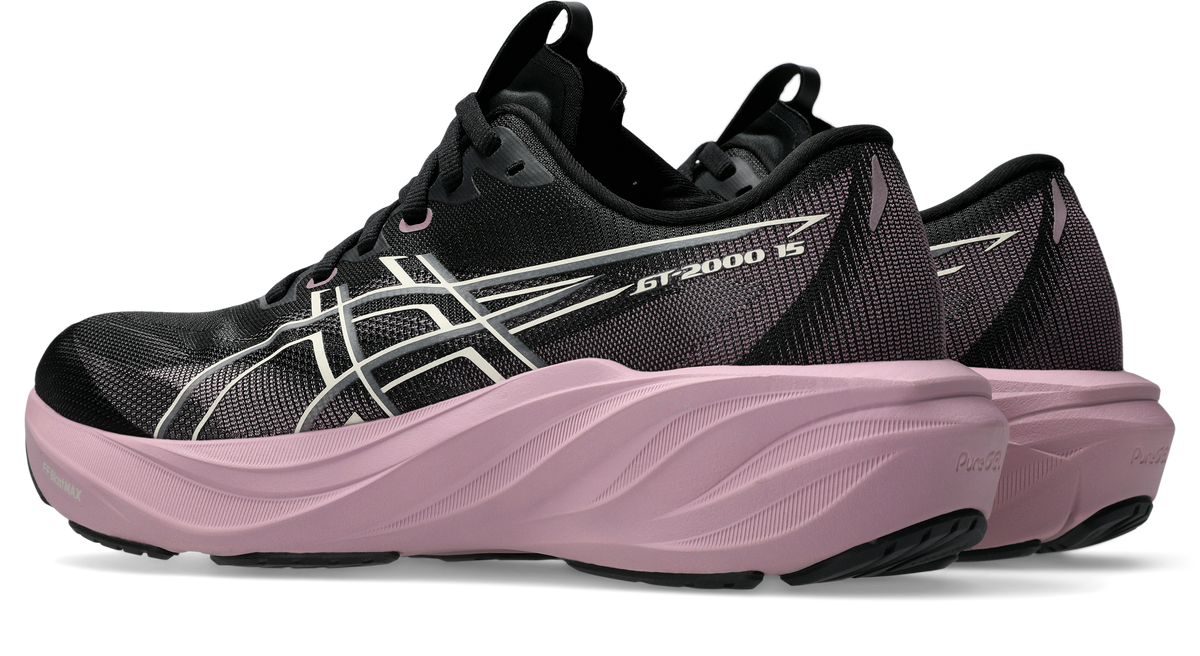
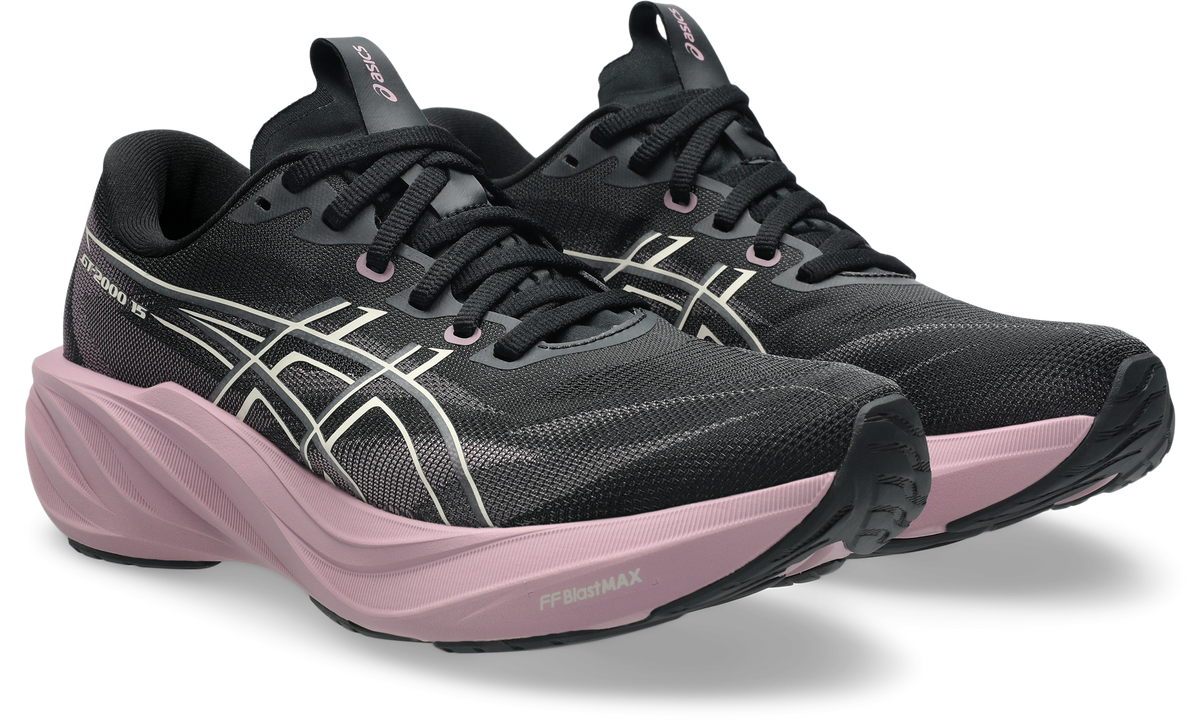
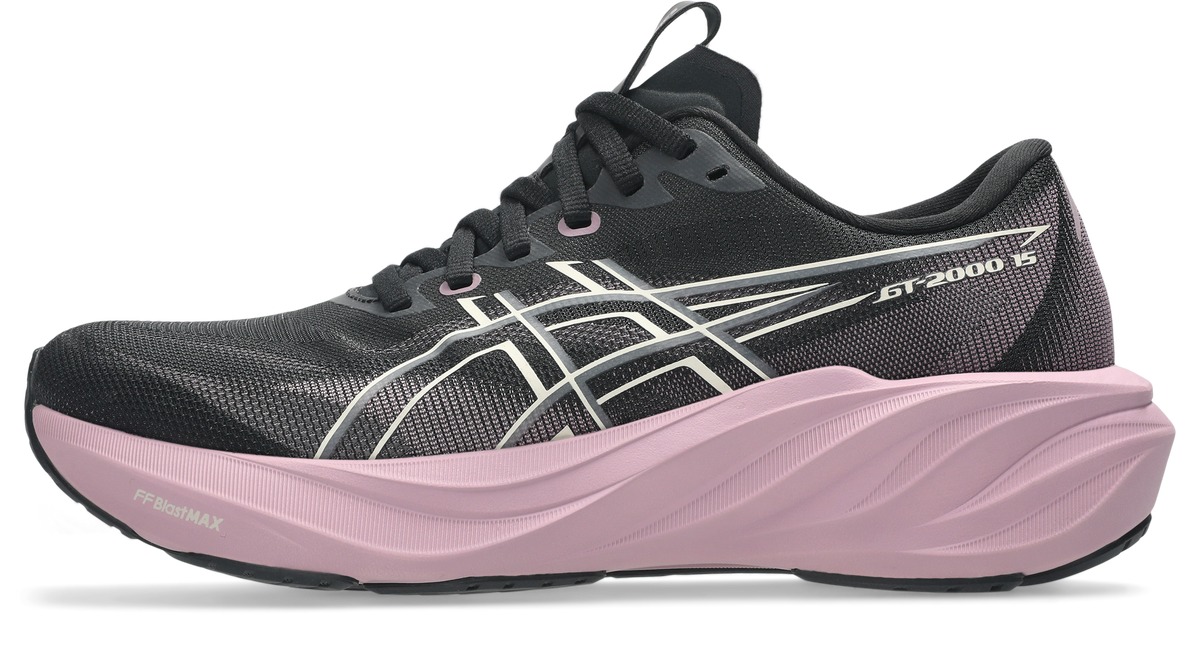
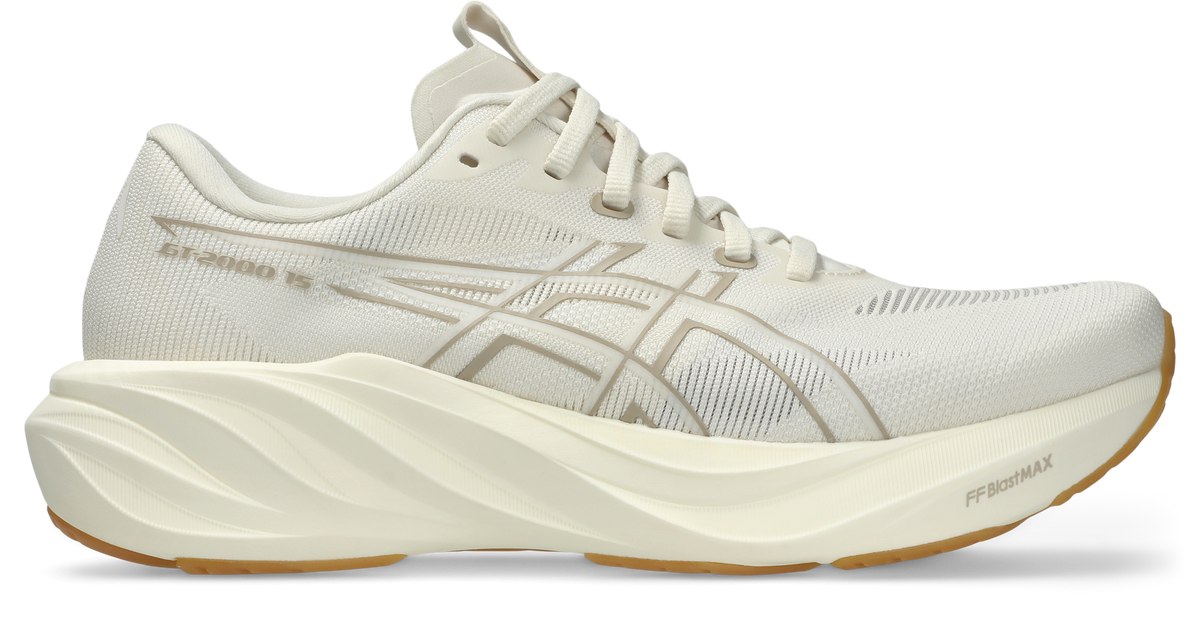
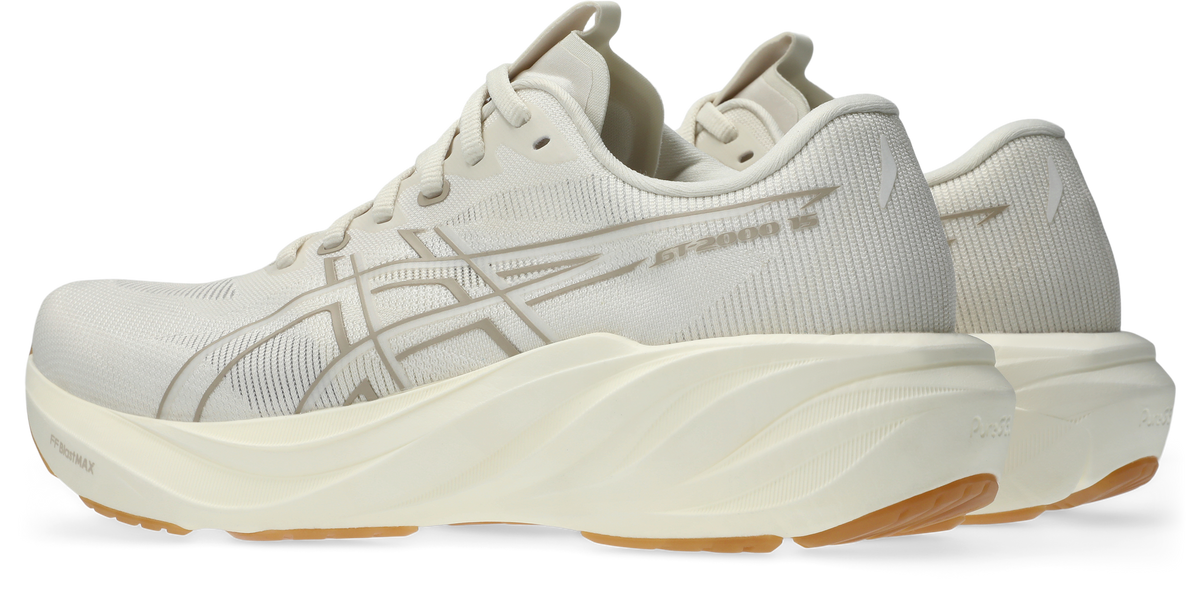
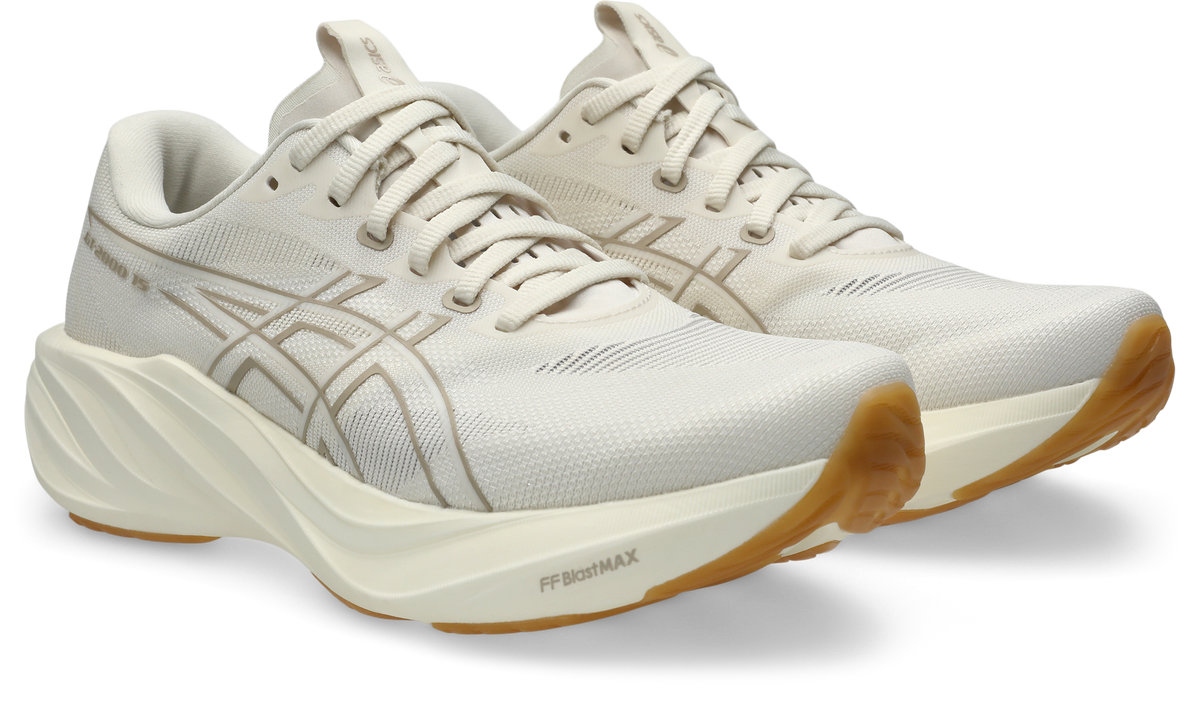
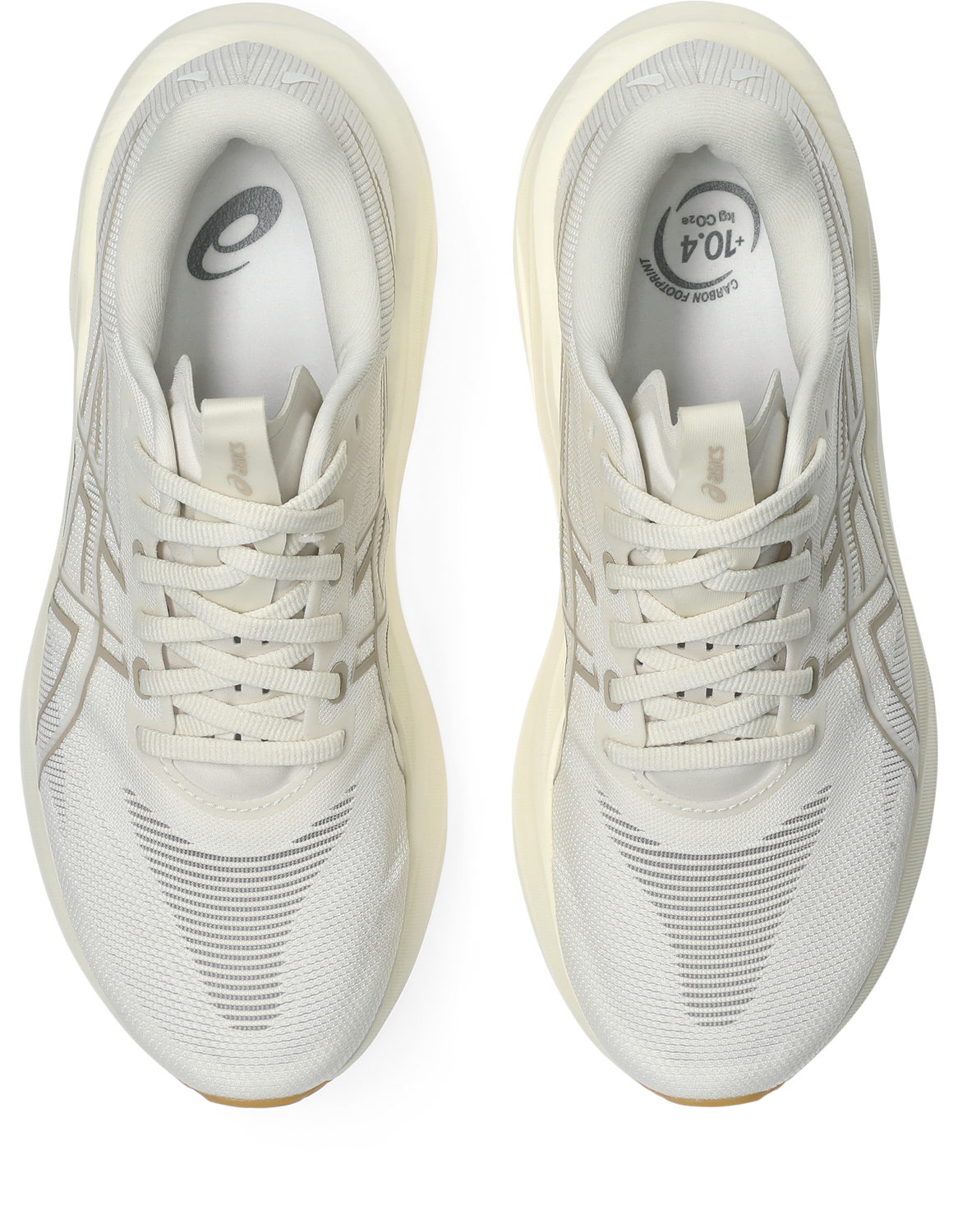
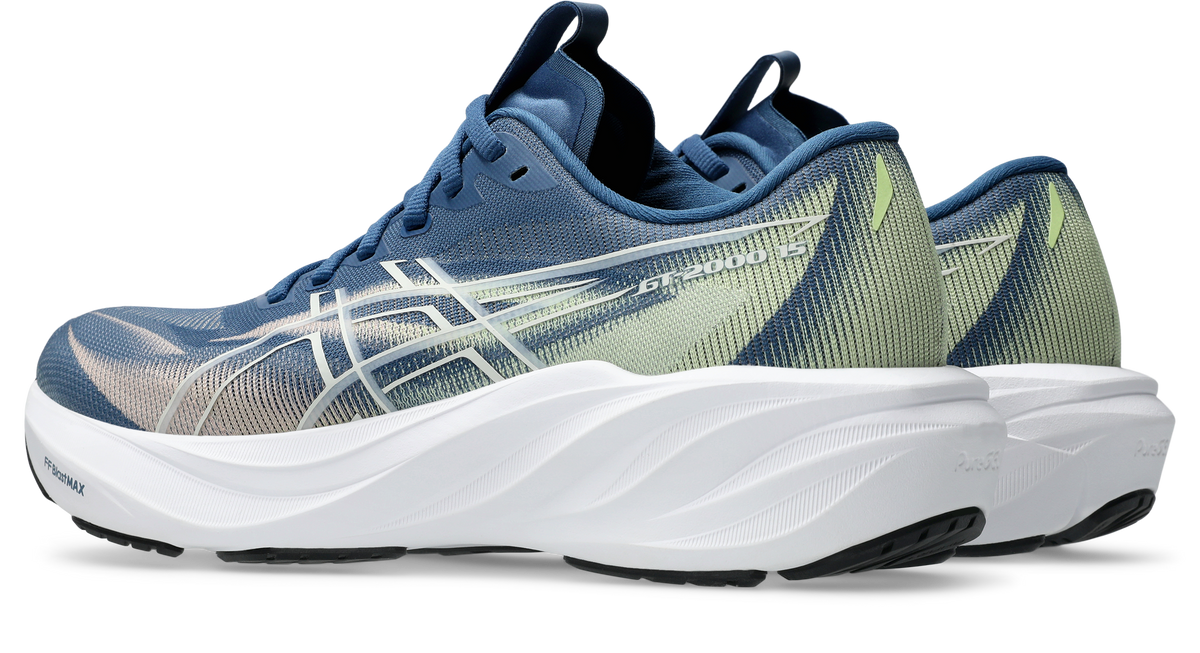
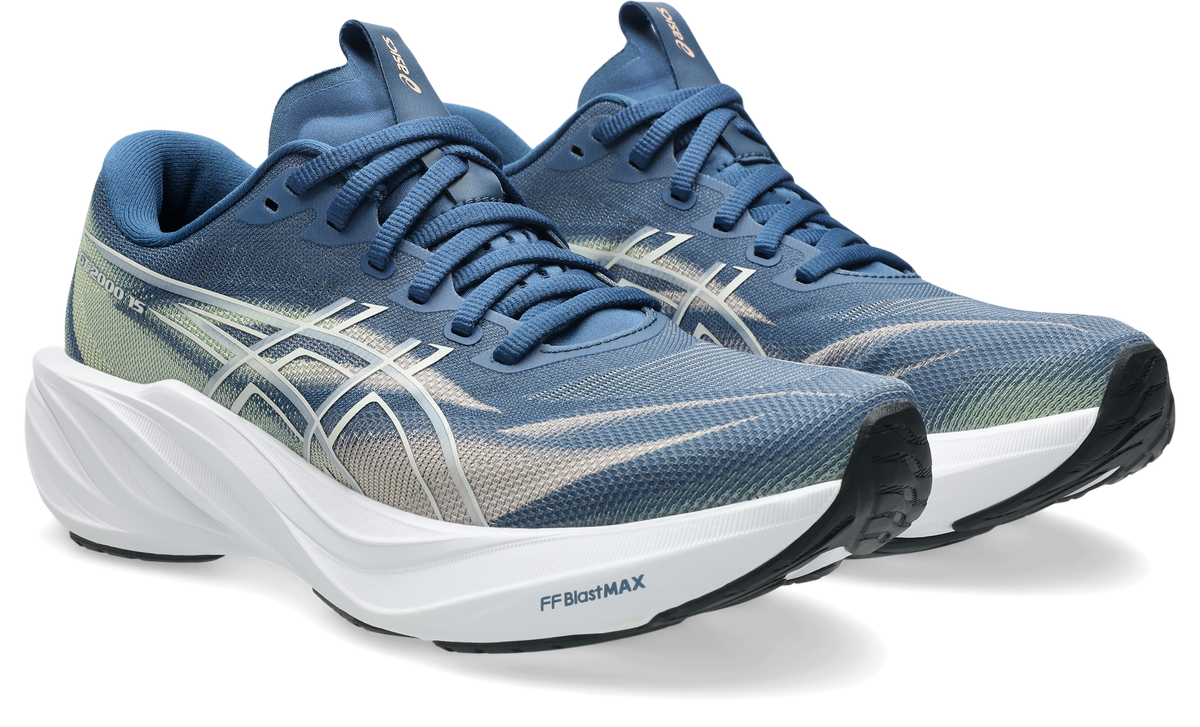
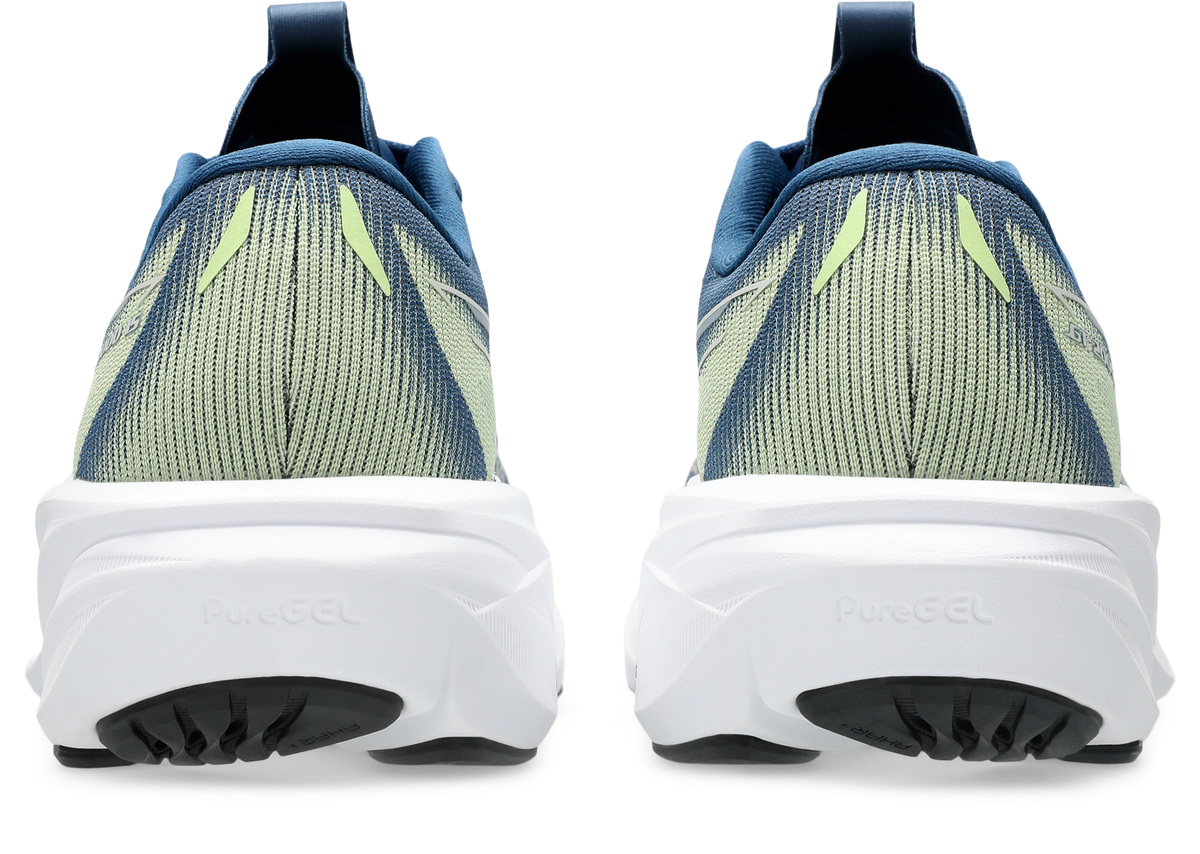
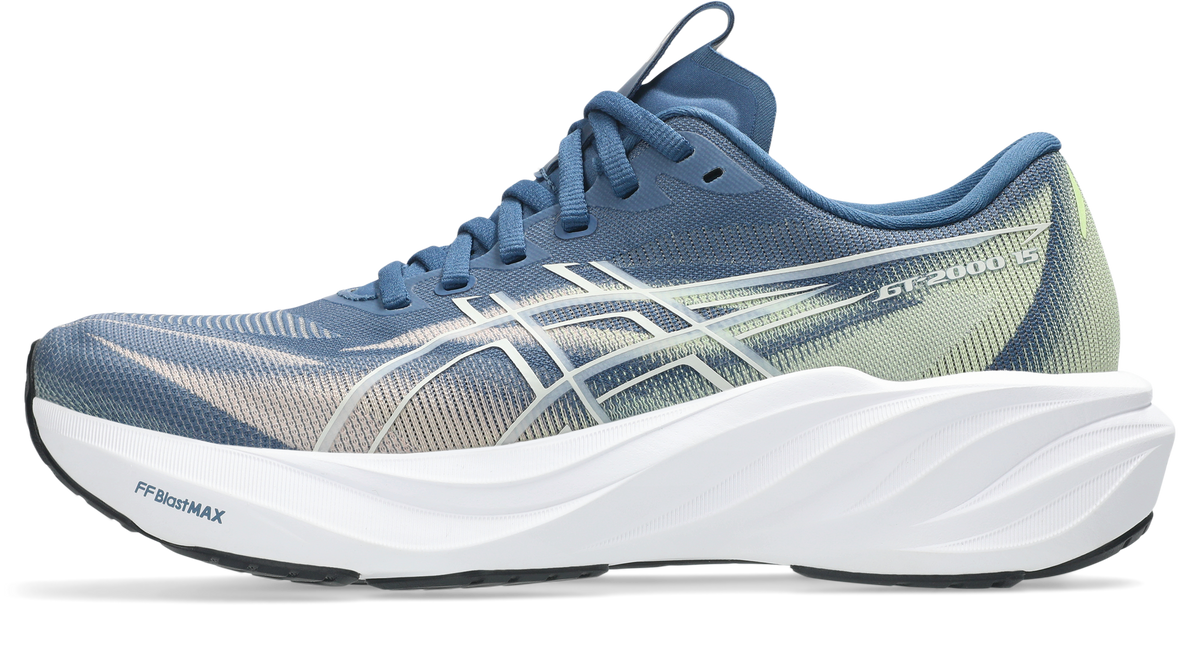
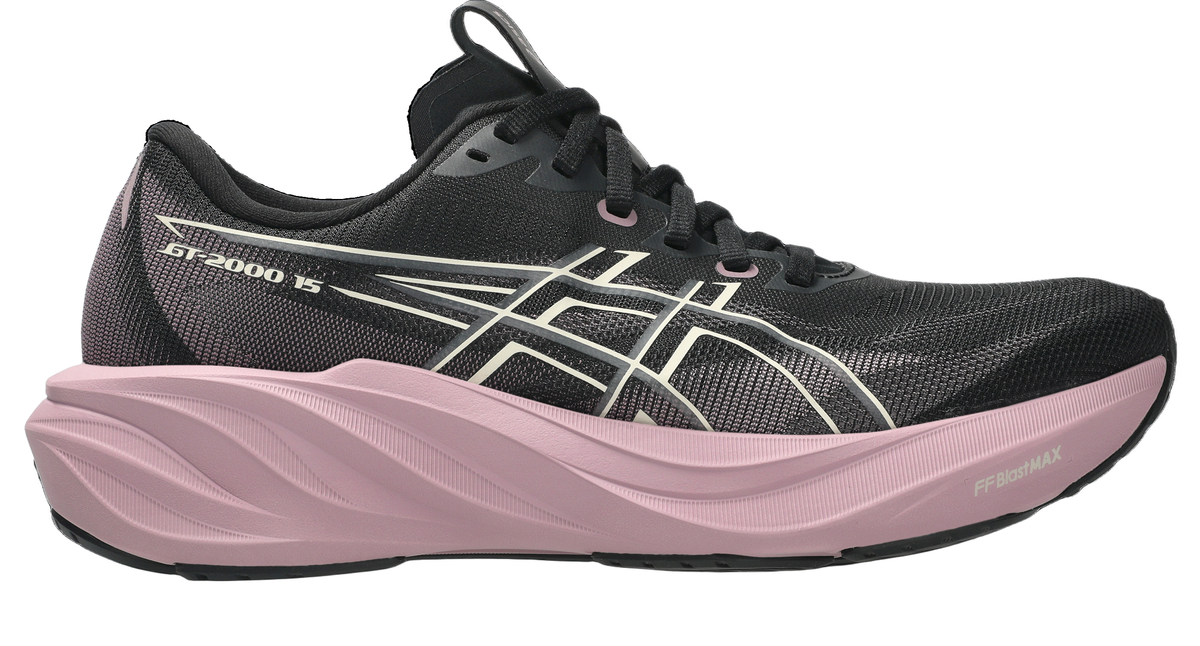
The GT-2000™ 15 brings the fun back to stability running. We loaded it with a softer, plusher FF BLAST™ MAX cushioning because more bounce is always better. Every step feels like a trampoline—soft when you land, explosive when you push off.
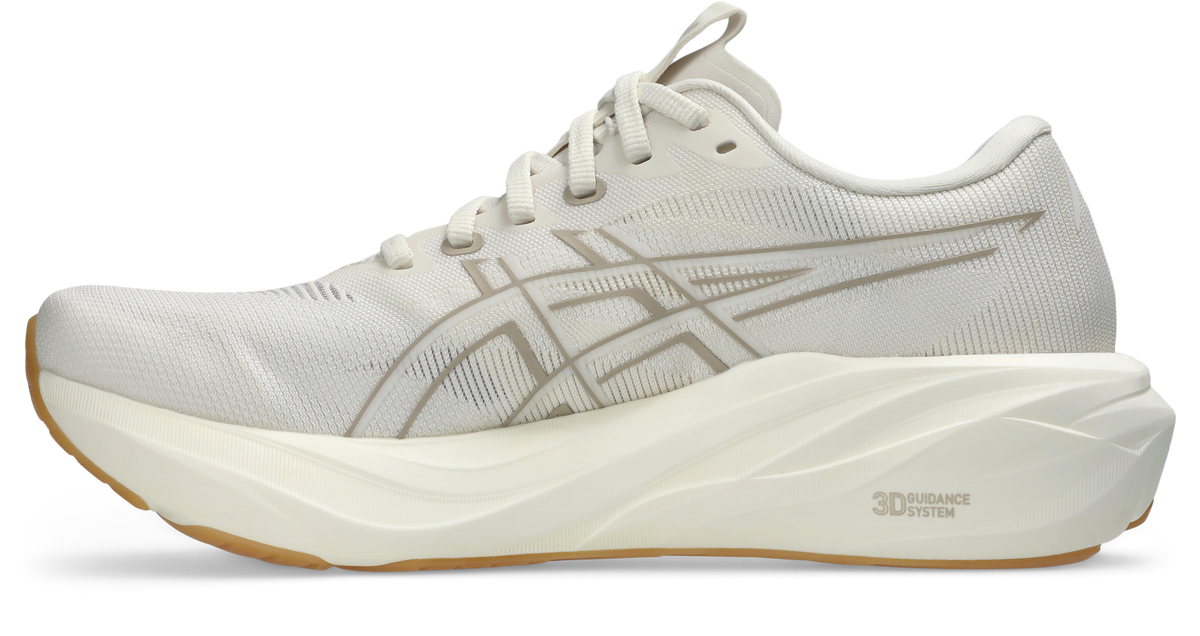
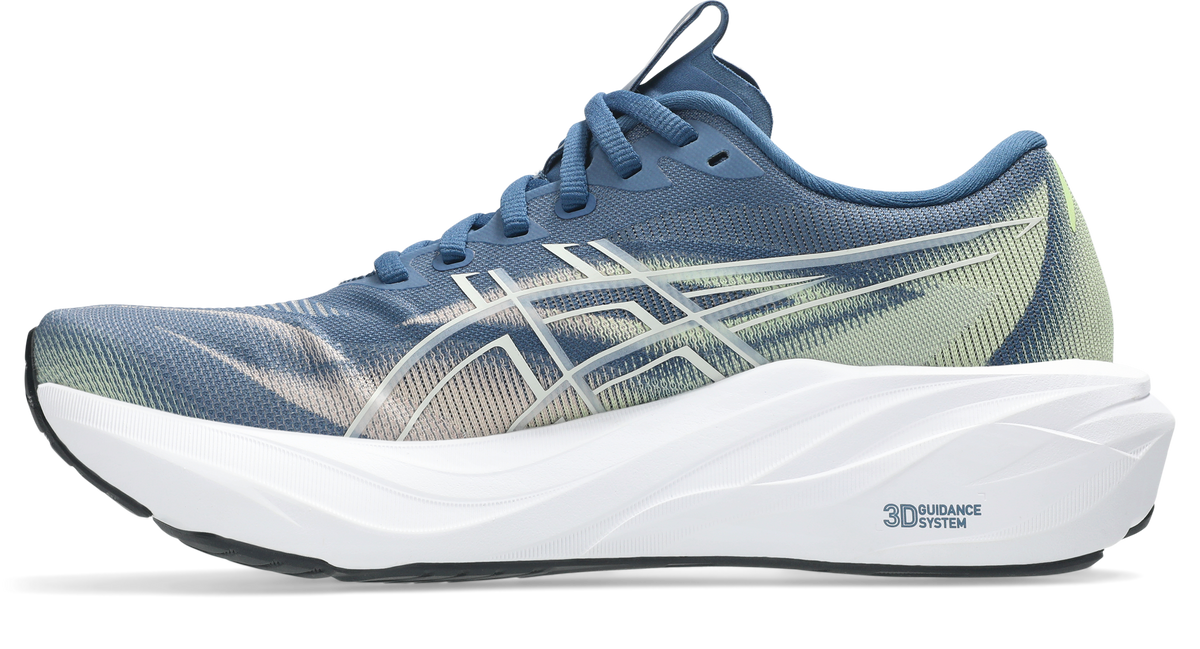
Featuring a reimagined FF BLAST™ MAX midsole with a softer formulation and an extra 2mm of foam than the previous model, every landing feels cloud-like while toe-off delivers a powerful, springy response.
Meanwhile, the 3D GUIDANCE SYSTEM™ provides intelligent, adaptive support that activates exactly when you need it, keeping your stride smooth and balanced without feeling restrictive.
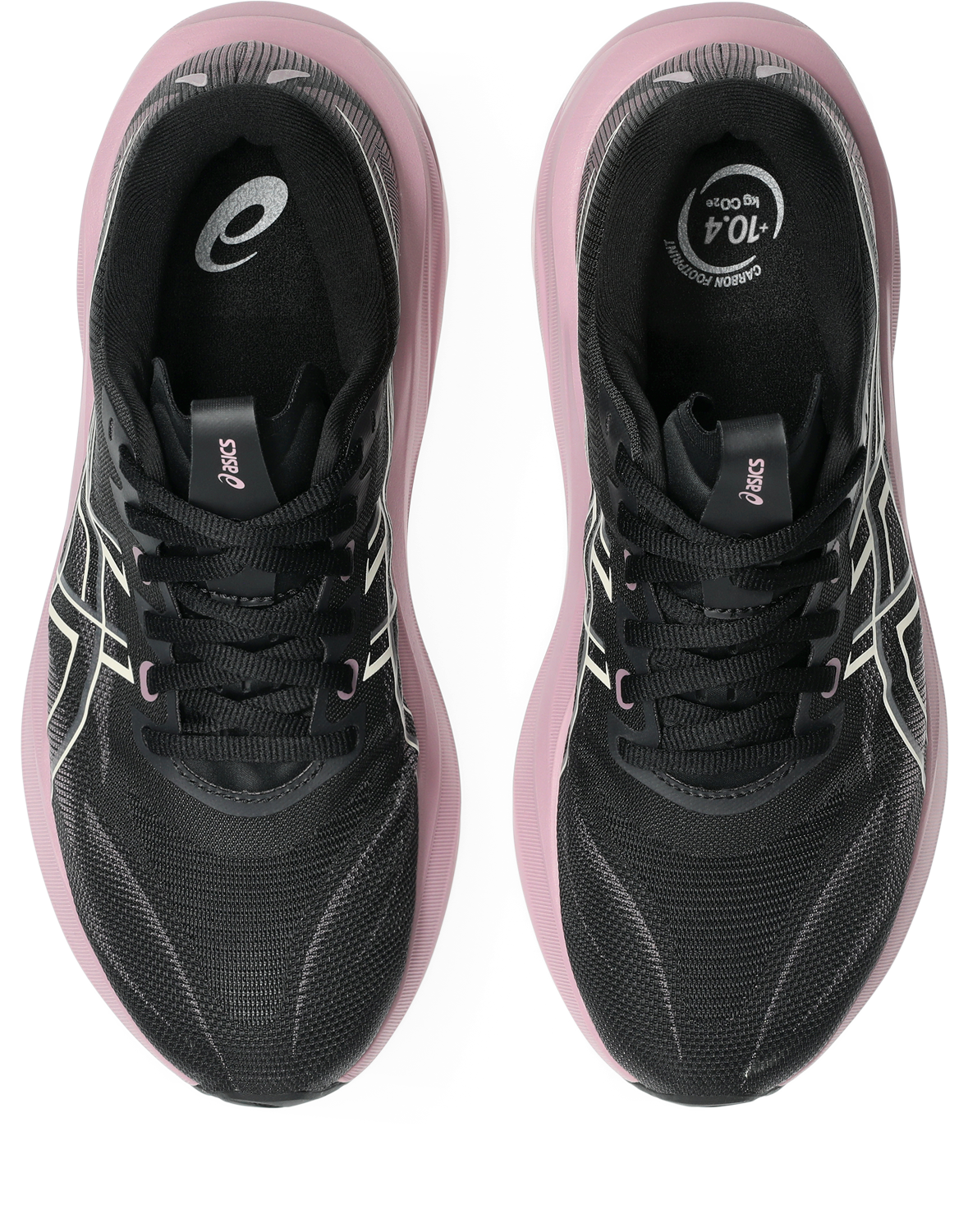
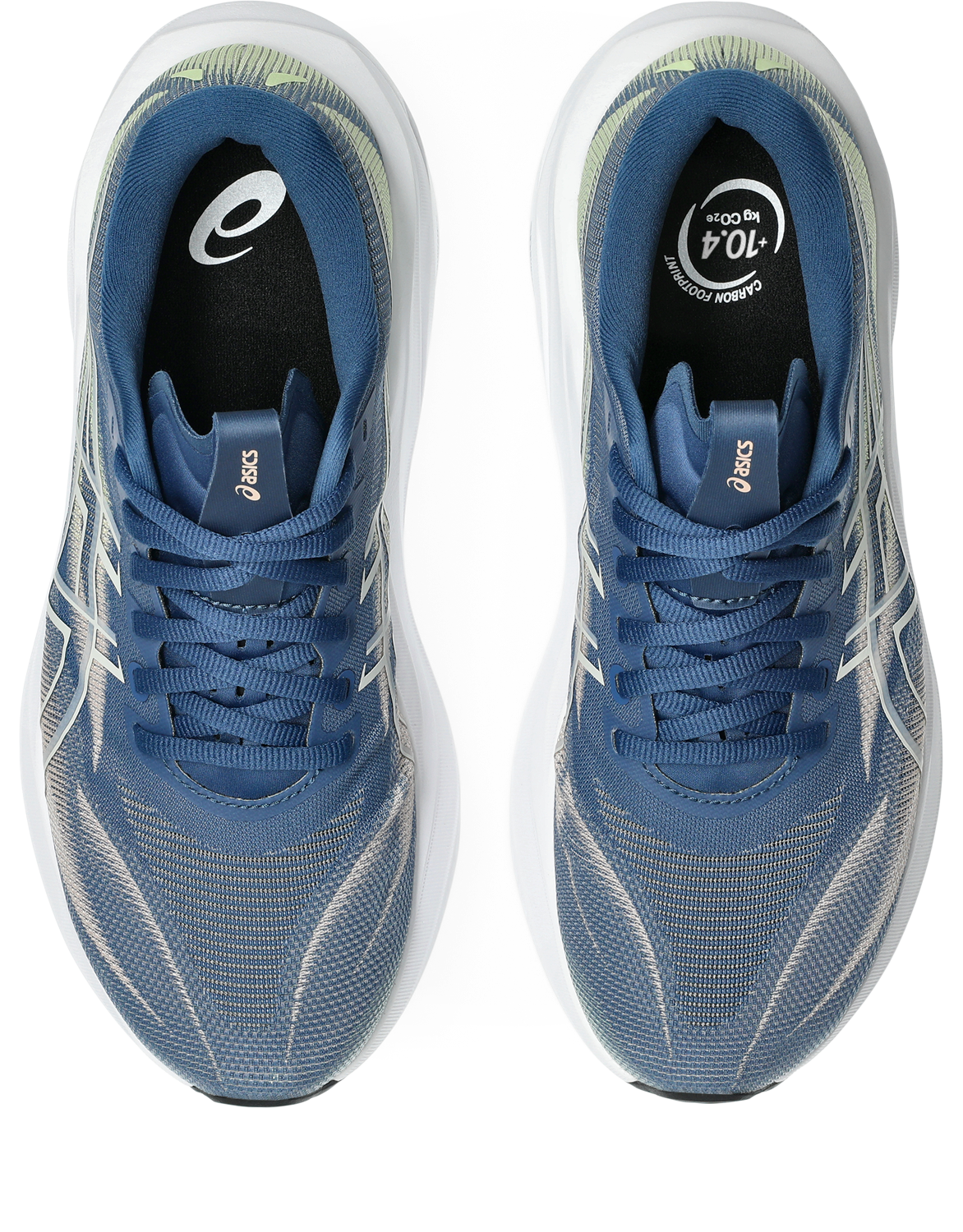
Total CO₂ emission per pair of the shoes are 10.4 kg CO₂e *
*Assessed using ASICS’ carbon footprint methodology version 1.3
Cushion High
Heel Drop 8 mm
Support Neutral, Stability
Goal Further
Materials & Technology
Engineered woven upper
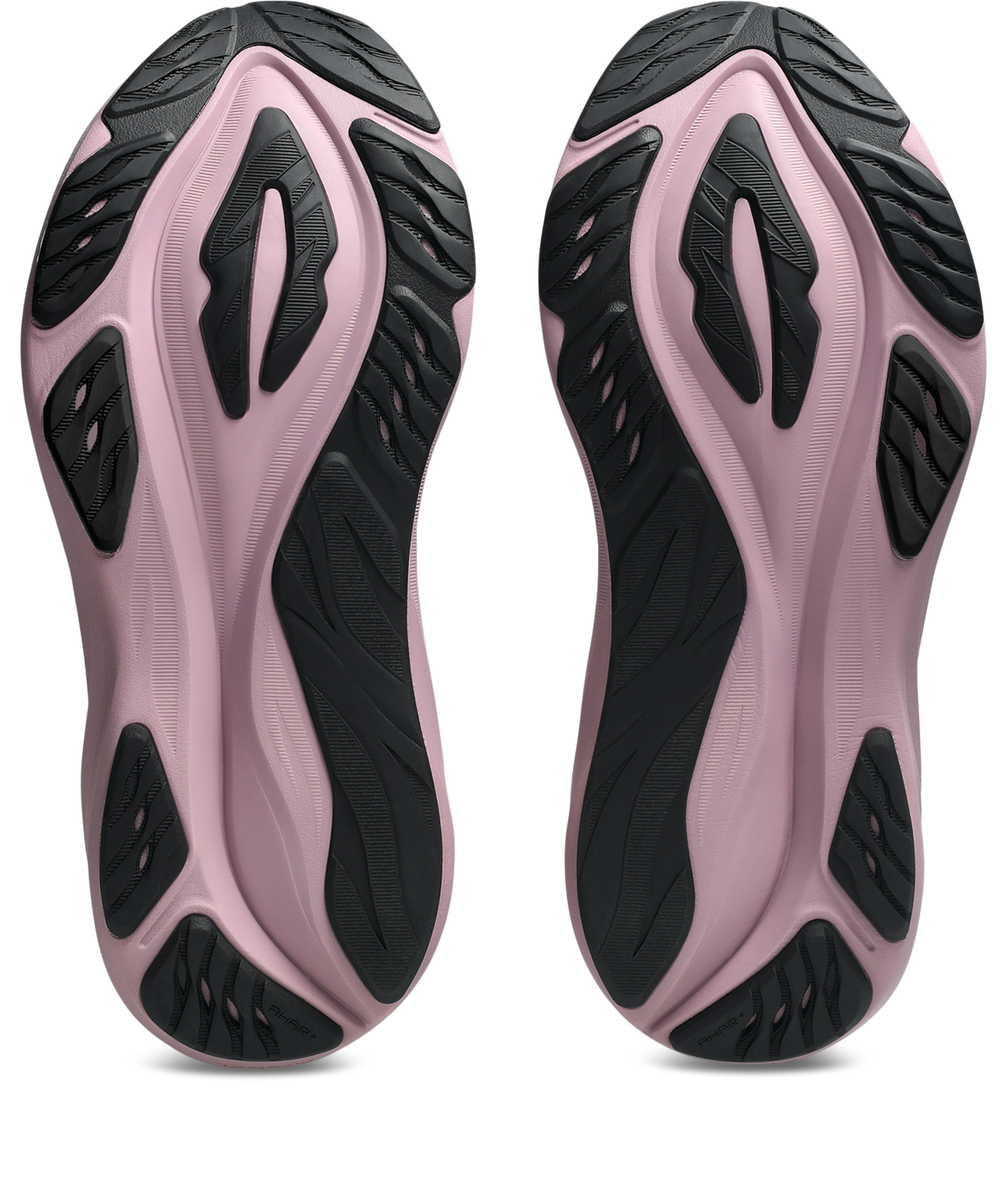
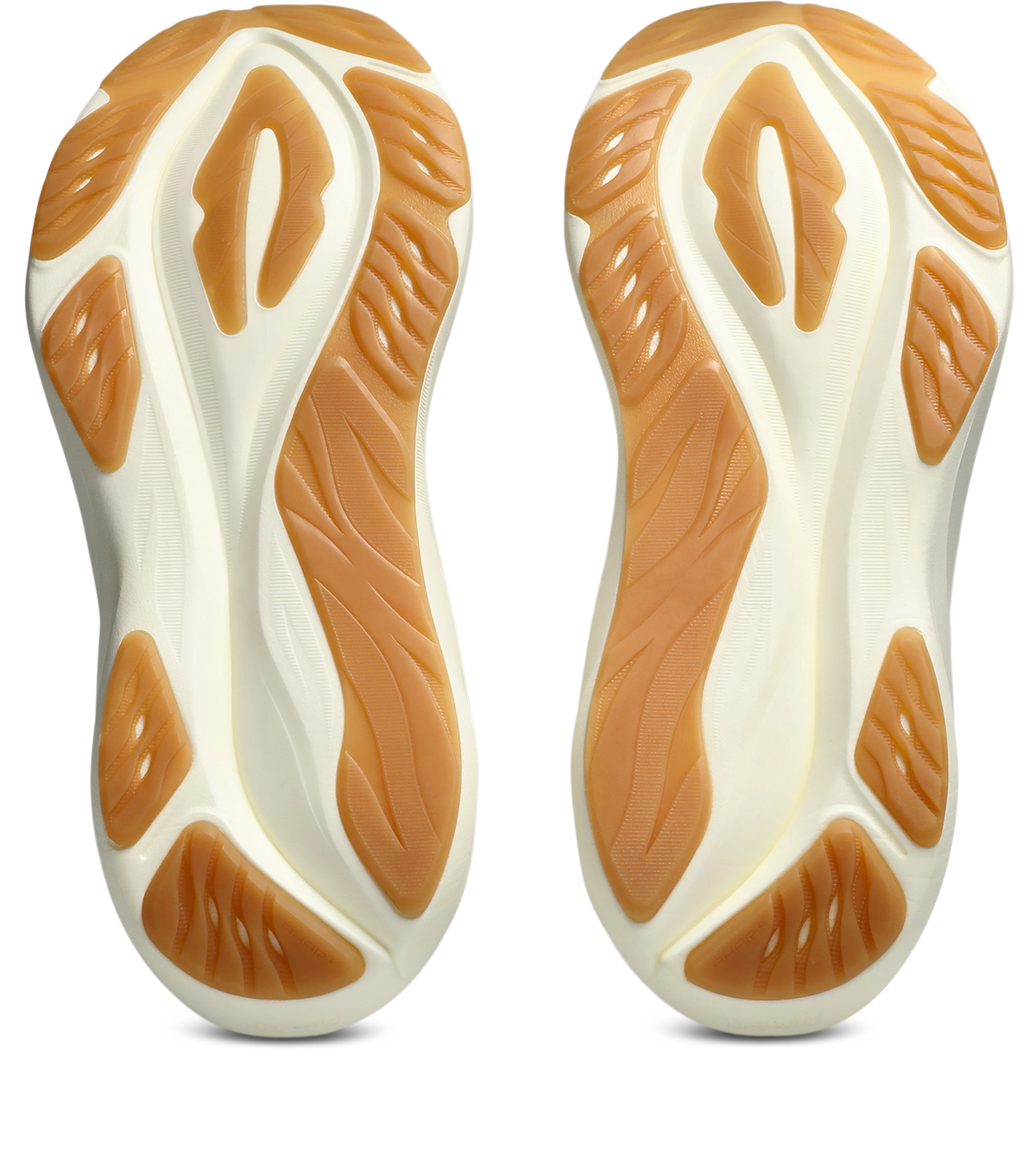
Trampoline outsole pod
3D GUIDANCE SYSTEM™
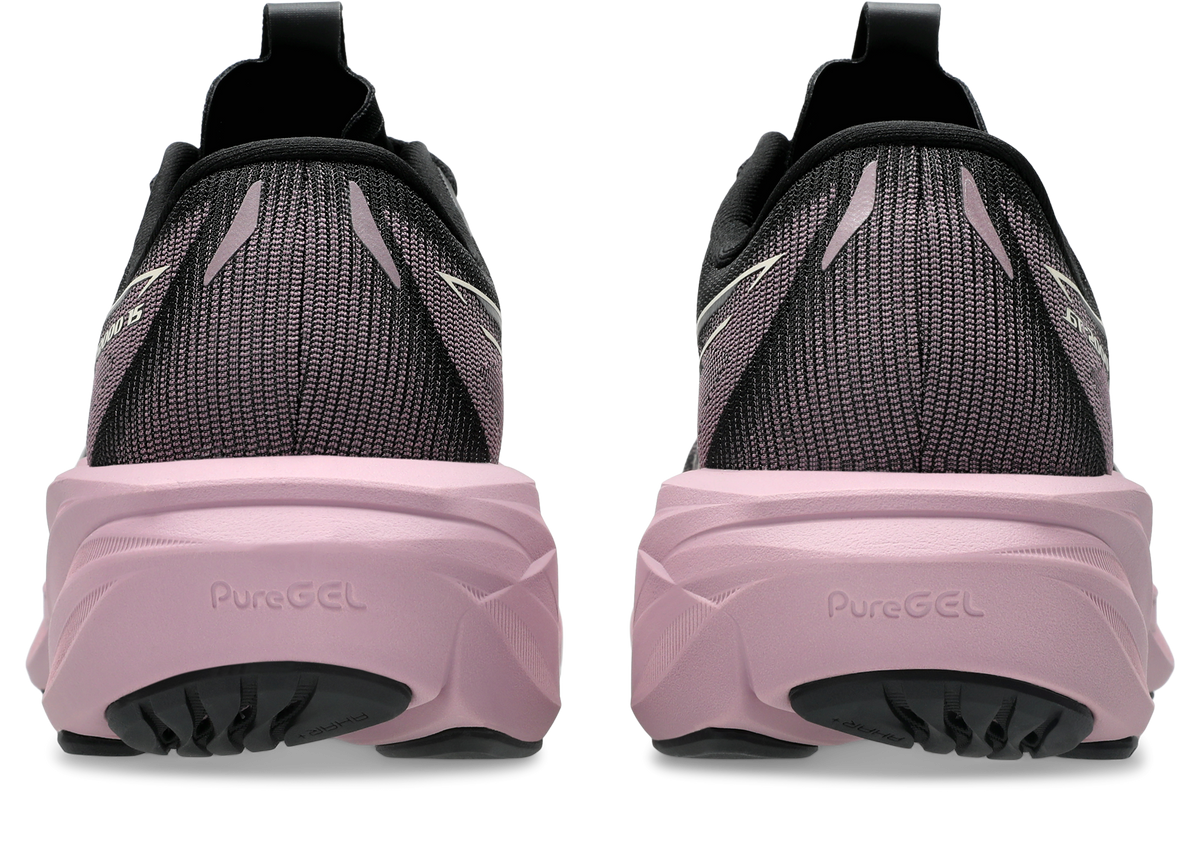
Rearfoot PureGEL® technology
FF BLAST™ MAX cushioning
EVA sockliner
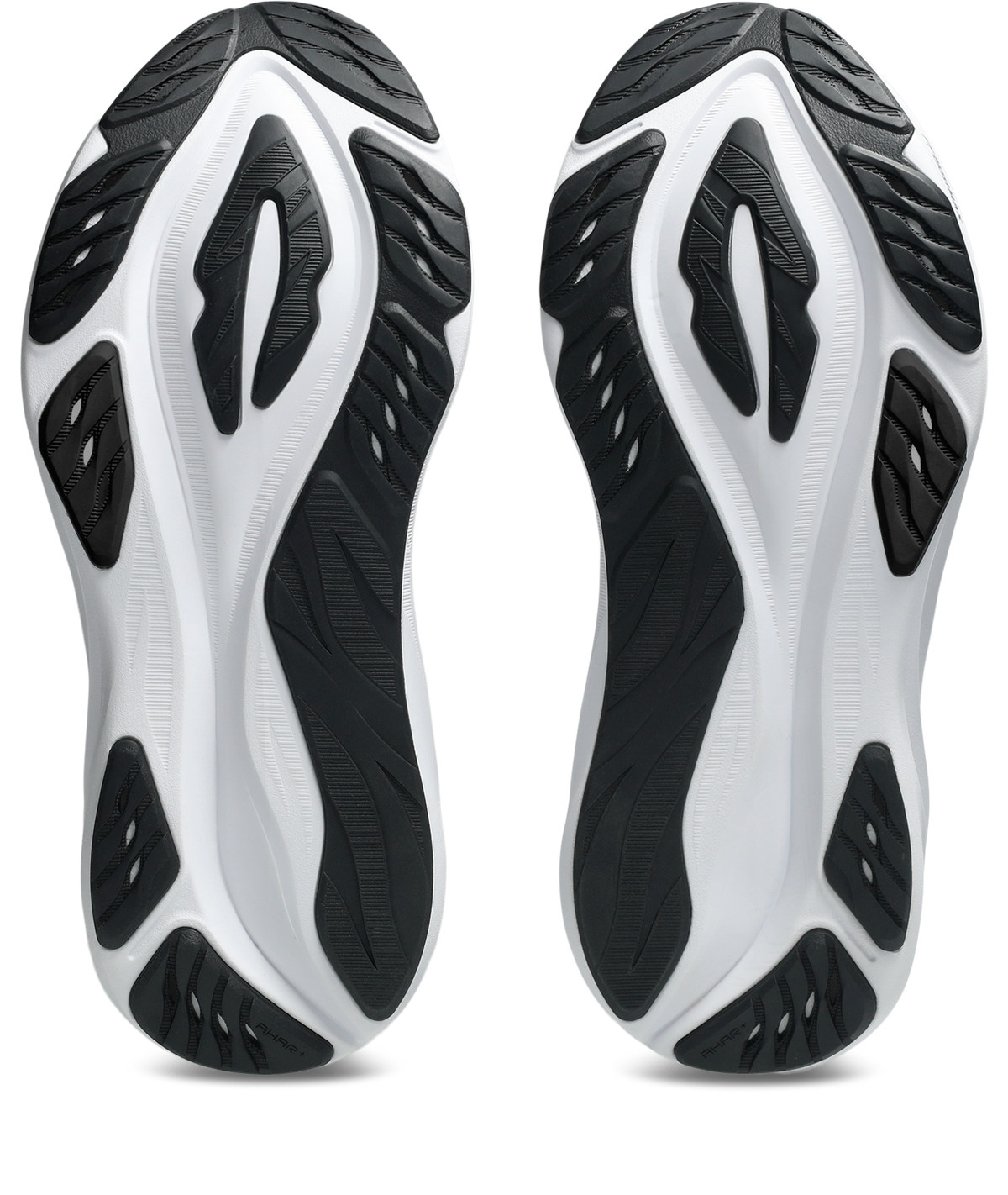
AHARPLUS™ heel plug rubber
AHAR™ LO outsole rubber
Reflective details
Pronation
Neutral Pronation
Foot Type
Normal size arches
Push Off
There is even distribution from the front of the foot.
Considered Injuries
Less likely due to effective shock absorption, but neutral runners are not immune to injury.
How your foot contacts the ground
The foot lands on outside of the heel, then rolls inward (pronates) to absorb shock and support body weight.
Overpronation
Foot Type
Low arches or flat feet
Push Off
Big toe and second toe do majority of the work.
Considered Injuries
Shin splints, plantar fasciitis, bunions, heel spurs.
How your foot contacts the ground
The foot lands on outside of heel, then rolls inward (pronates) excessively, transferring weight to inner edge instead of ball of the foot.
Size Guide
Fit
For running shoes, we generally recommend sizing up a half size from your casual shoe size.
Women's Shoes Size Chart
| US | UK | EU | CM |
|---|---|---|---|
| 4 | 2 | 34.5 | 21.5 |
| 4.5 | 2.5 | 35 | 22.0 |
| 5 | 3 | 35.5 | 22.5 |
| 5.5 | 3.5 | 36 | 22.75 |
| 6 | 4 | 37 | 23.0 |
| 6.5 | 4.5 | 37.5 | 23.5 |
| 7 | 5 | 38 | 24.0 |
| 7.5 | 5.5 | 39 | 24.5 |
| 8 | 6 | 39.5 | 25.0 |
| 8.5 | 6.5 | 40 | 25.5 |
| 9 | 7 | 40.5 | 25.75 |
| 9.5 | 7.5 | 41.5 | 26.0 |
| 10 | 8 | 42 | 26.5 |
| 10.5 | 8.5 | 42.5 | 27.0 |
| 11 | 9 | 43.5 | 27.5 |
| 11.5 | 9.5 | 44 | 28.0 |
| 12 | 10 | 44.5 | 28.5 |
| 12.5 | 10.5 | 45 | 28.75 |
| 13 | 11 | 46 | 29.0 |
Shoes Width Guide
The standard (medium) width for women is B. Shoe boxes and labels will only identify widths other than standard. Within the shoes, wide and narrow widths are identified on the label, underneath the tongue. ie. T005N (2E)
When is additional shoe width needed?
Visible stretching or bulging on the sides of the forefoot material is a good indicator that additional width may be needed.
Please note that the differences in width between narrow, standard, wide, and extra wide are usually only a few millimeters and are proportional to the shoe size. Most of the additional width will be in the forefoot.
Women's Shoes Width Chart
| Narrow | Standard | Wide | Extra Wide |
|---|---|---|---|
| 2A | B | D | 2E |
Details
Style No. 1012B998