





Whether you are logging daily recovery miles, gearing up for your first 5K, or training for a marathon, buying running shoes isn't just about picking a design you like. The human foot is a complex structure of 26 bones, 33 joints, and over 100 muscles—and how your foot hits the ground dictates how impact forces travel up your ankles, knees, and hips.
Choosing the right pair comes down to understanding your foot arch type, biomechanics (pronation), and the specific category of shoe that supports your stride. Here is your ultimate guide to finding the perfect fit for your feet.

Step 1: Identify Your Arch Type & Pronation Pattern
Pronation is the natural inward rolling motion of your foot as it strikes the ground to absorb shock. Your arch height heavily influences how much your foot rolls.
You can easily check your arch type at home using the "Wet Test":
- Wet the bottom of your foot.
- Step firmly onto a piece of cardboard or dark paper.
- Step off and examine the wet footprint left behind.
1. Overpronation (Low Arches / Flat Feet)
What it looks like: Your footprint shows almost the entire bottom of your foot with little to no visible curve along the inside edge.
What happens: Your foot rolls excessively inward after landing, placing stress on ankles, knees, and shins.
What you need: Look for stability running shoes. These incorporate guide rails, medial posts, or firmer foam densities to keep your stride aligned.

2. Neutral Pronation (Medium / Normal Arches)
What it looks like: Your footprint shows a clear flare connecting the heel and forefoot with a distinct inward curve.
What happens: Your foot lands on the outer edge of the heel and rolls inward slightly to absorb impact effectively.
What you need: A versatile neutral shoe or lightweight running shoes that offer a balance of shock absorption and flexibility.

3. Underpronation / Supination (High Arches)
What it looks like: Your footprint shows a very thin outer strip connecting the heel and ball of your foot.
What happens: Your foot doesn't roll inward enough, sending direct force up your legs.
What you need: Highly cushioned neutral shoes with extra impact absorption in the heel and forefoot.

Step 2: Matching Shoe Features to Your Goals
Once you know your pronation style, consider the type of running you do and how much cushion and weight you prefer:
| Shoe Category | Best For | Key Characteristics | Runner Profile |
|---|---|---|---|
| Stability Shoes | Overpronation, flat arches | Integrated support structures, firmer arch zones | Daily road runners needing gait alignment |
| Neutral / Lightweight | Neutral pronators, tempo runs | Flexible midsoles, lower weight, smooth transitions | Runners wanting speed, agility, and minimal drag |
| Max Cushioning | High arches, long distance | Thick stack height, plush foam | Marathoners and high shock absorption needs |
Spotlight Recommendation: The Daily Workhorse
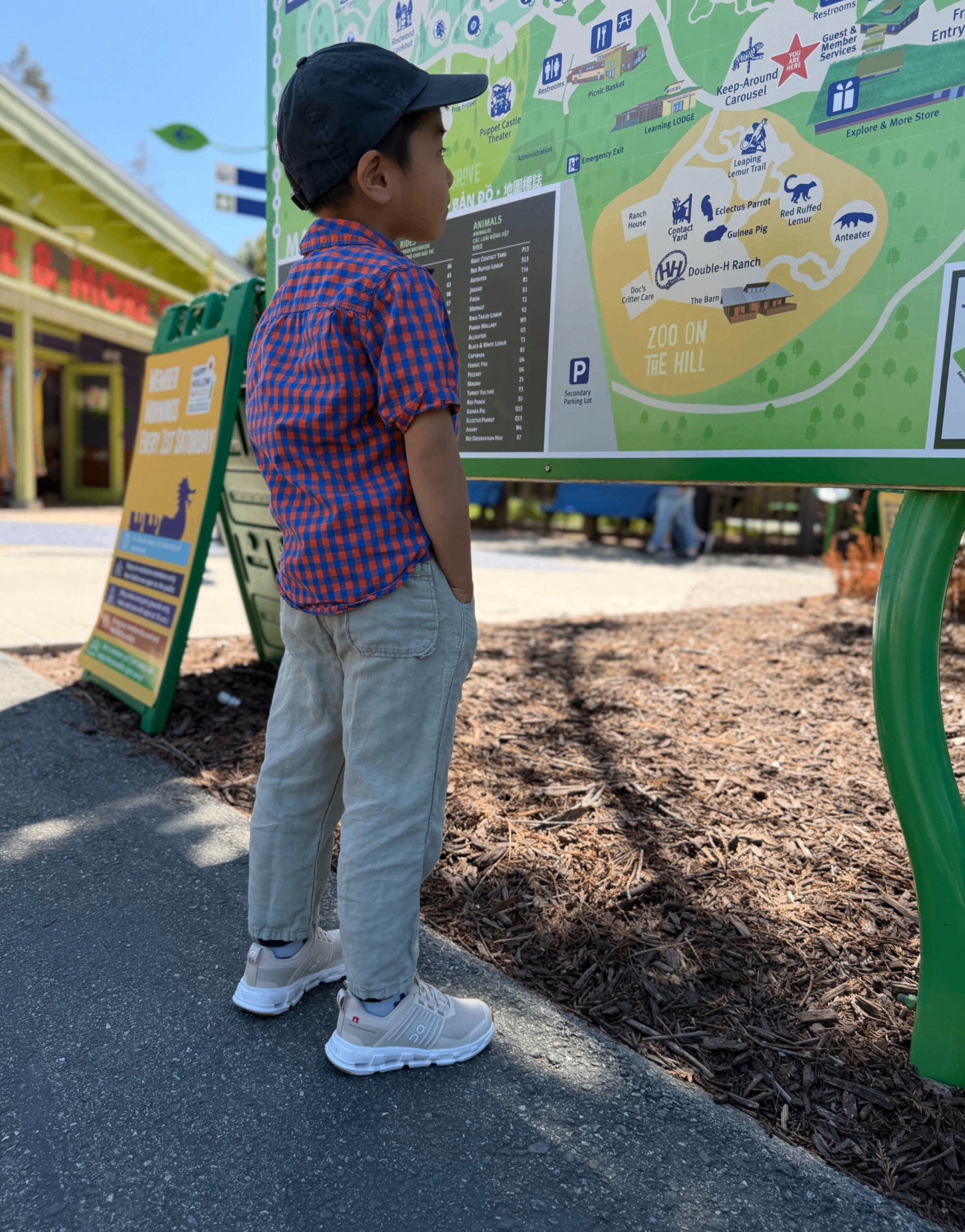
If you are looking for a versatile option that bridges support and agility, consider shoes like the On Cloudrunner 3. Designed with supportive CloudTec® cushioning and a wide base, it provides gentle support for mild overpronators while maintaining the responsive, bouncy feel of lightweight running shoes.
Step 3: Getting the Right Fit
- Rule of Thumb for Length: Always leave a thumb’s width (about ½ inch) of space between your longest toe and the end of the shoe. Your feet swell during runs, and tight shoes lead to bruised toe nails.
- Shop in the Evening: Feet naturally expand throughout the day. Trying on running shoes in the late afternoon or evening ensures you don't buy a size too small.
- Check the Heel Lockdown: Your heel should feel snug inside the heel counter without slipping or causing friction as you walk or jog.
- Match Your Socks: Try on shoes wearing the exact sock thickness you plan to run in.
The Benefits of Right-Fitting Running Shoes
Beyond basic comfort, wearing shoes engineered specifically for your biomechanics directly affects your training outcomes, physical health, and gear longevity:
Improved Posture and Kinetic Chain Alignment
Correct foot positioning aligns the ankles, legs, and pelvis properly with every footstrike. This prevents compensatory muscle strain across your lower back and glutes, allowing for cleaner running form over long distances.
Targeted Muscle Engagement & Fatigue Reduction
When shoes correct overpronation or absorb excess impact from high arches, your stabilizer muscles don't have to work overtime to keep you balanced. This conserves vital muscular energy and delays leg fatigue late into your run.
Minimized Micro-Trauma to Tendons and Ligaments
Ill-fitting shoes place uneven torque on the Achilles tendon, IT band, and plantar fascia. Matching your arch type ensures even pressure distribution, saving soft tissue from chronic strain and recurring soreness.
Maximized Shoe Durability and Outsole Traction
Matching your gait pattern ensures wear and tear is evenly spread across the outsole rubber and foam midsole. This prevents early collapse on the medial or lateral edge, ensuring consistent grip and cushioning over 300 to 500 miles.
Higher Training Consistency and Faster Recovery
By minimizing post-run soreness and structural stress, right-fitting shoes allow for faster recovery windows between workouts—helping you maintain a continuous training schedule without unneeded rest days.
|
Hoka
HOKA Clifton 11
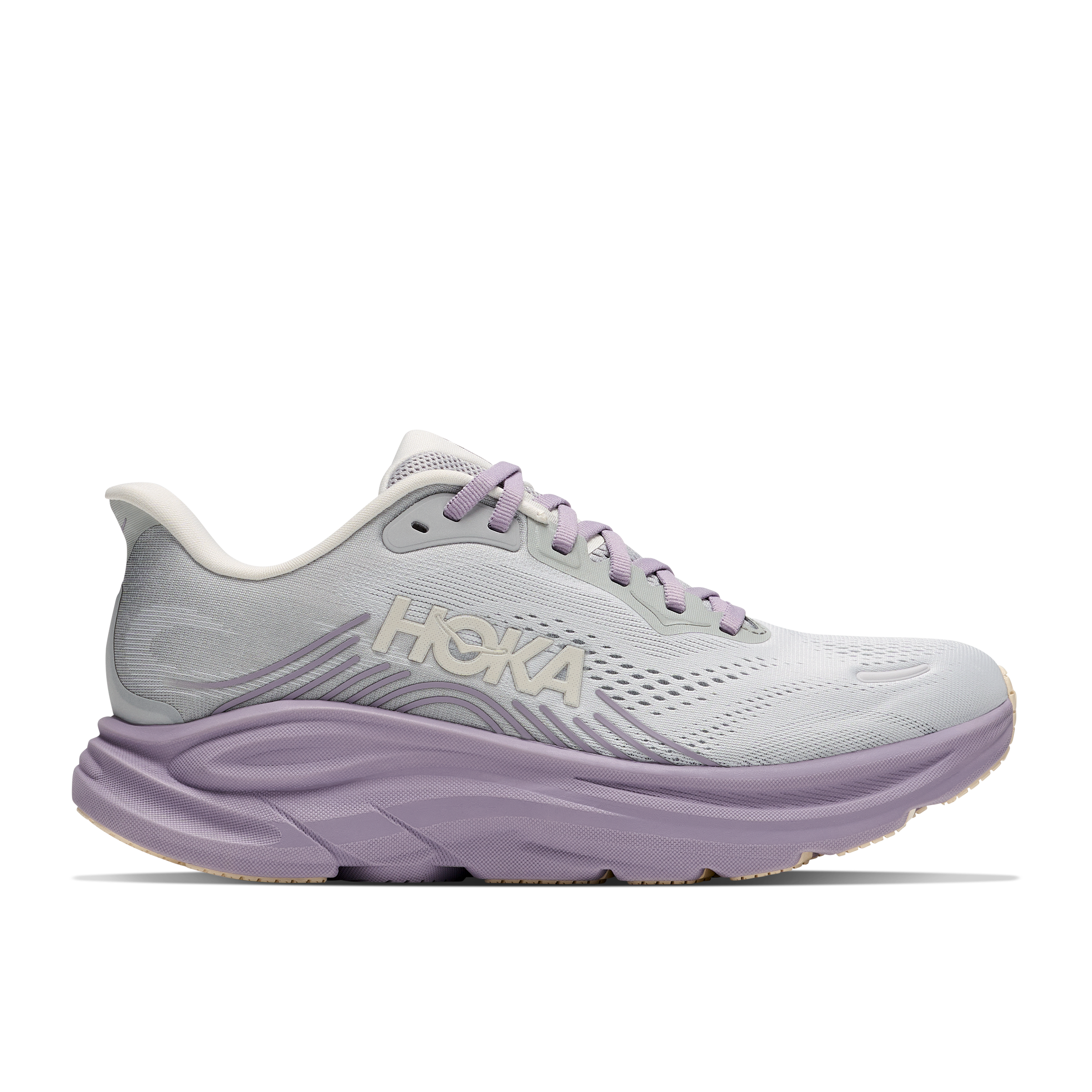 |
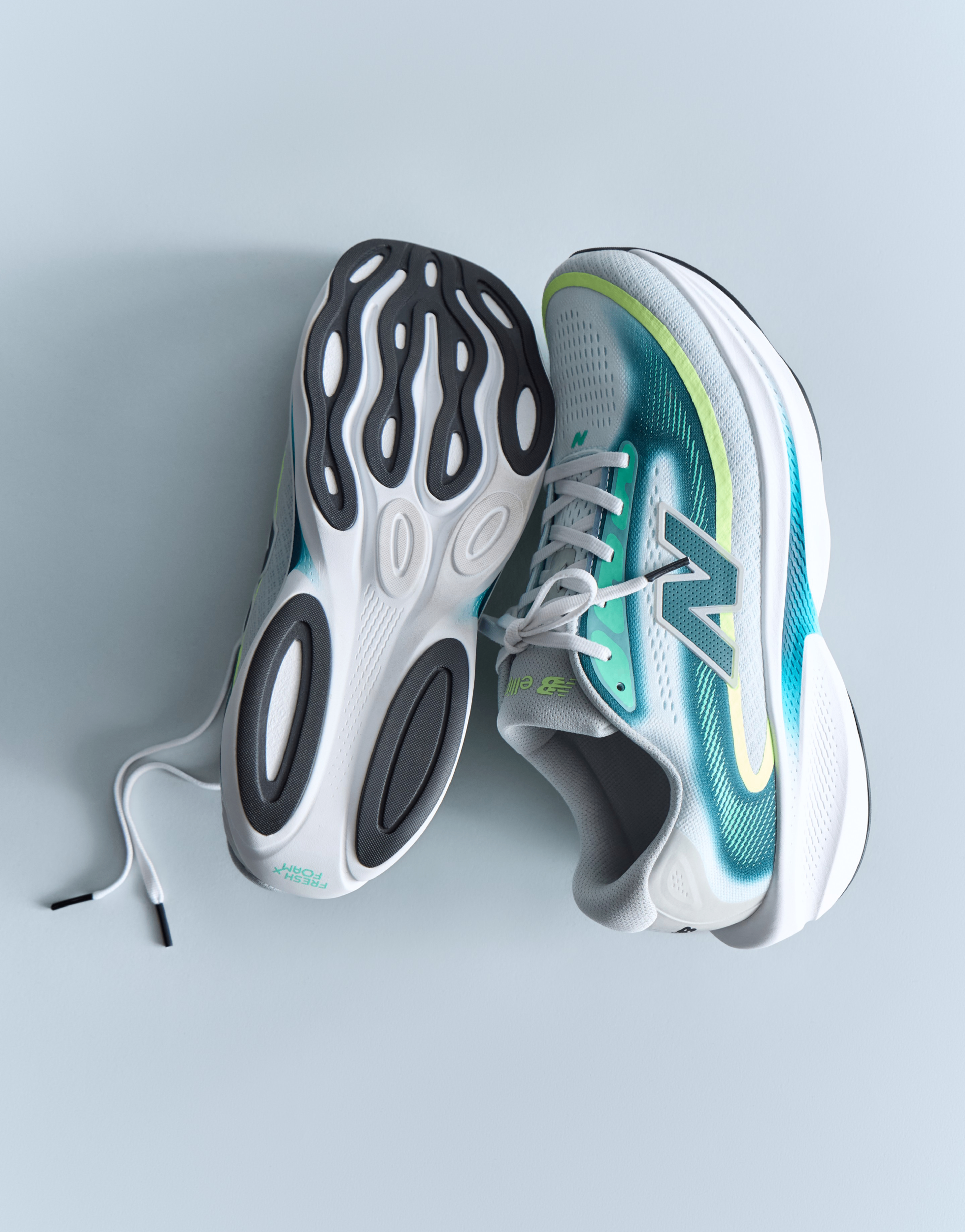
New Balance
New Balance Running Shoe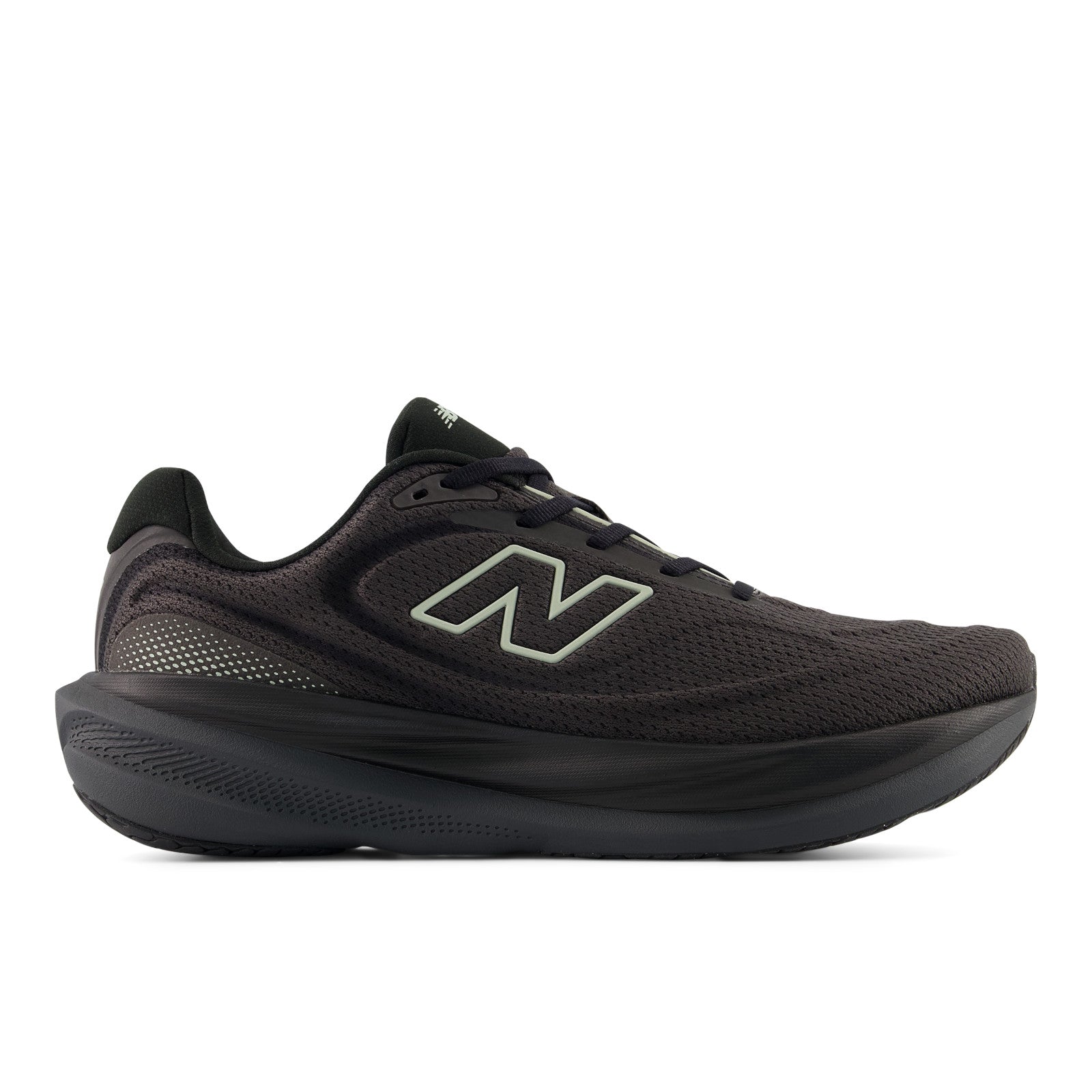 |
Adidas
Adidas Hyperboost Edge |
Final Thoughts
The right running shoe shouldn't require a long break-in period—it should feel comfortable from the very first step. By matching your foot type to the right support level and sizing properly, you'll protect your joints, boost your efficiency, and enjoy every mile on the road.
Looking for your next pair? Browse the latest lineup of daily trainers and stability running shoes at Footprint USA to find your exact match!
